Get the latest strategies for scam with your friends police raids. Discover top tactics, community tips, and avoid fake scams today.
Published: Scam With Your Friends Wiki Editorial Team
Table of Contents
Understanding the Chaos of Scam With Your Friends Police Raids
Navigating the unpredictable world of virtual deception can quickly turn from a casual prank into a high-stakes emergency when law enforcement gets involved. If you want to survive the wildest scam with your friends police raids, you need to master your dialogue options, manage victim trust metrics, and keep your virtual operations running smoothly without getting busted.
Understanding why these mechanics matter is crucial for keeping your revenue high and your criminal empire out of the slammer. In this comprehensive guide, we will break down the essential strategies, roleplay tricks, and community-tested methods to help you dominate every encounter.
Core Mechanics of Managing Calls and Trust Meters
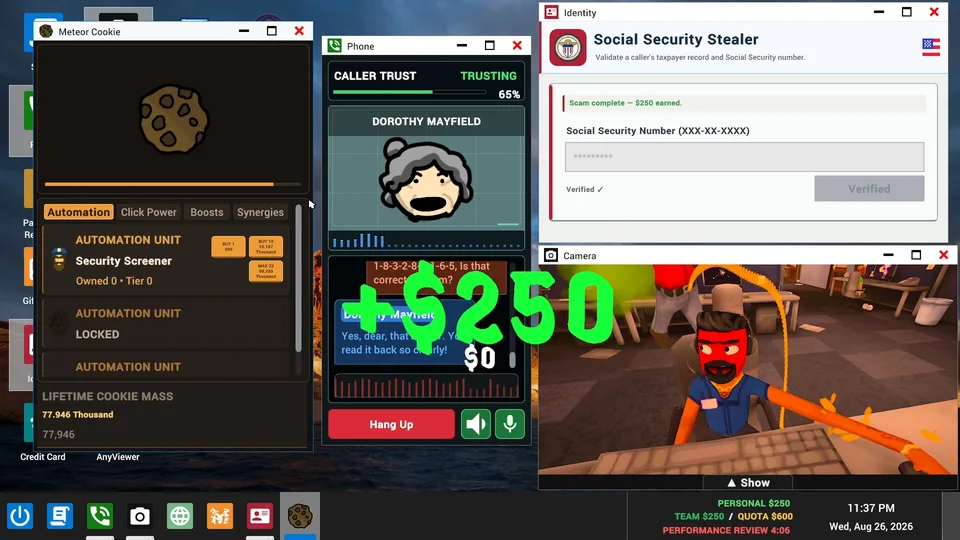
In Scam With Your Friends, your success hinges entirely on how long you can keep a caller on the line while extracting sensitive data like credit card numbers and social security numbers. Based on recent player experience, rushing your dialogue or picking aggressive threats too early will instantly shatter your trust meter and alert the authorities.
Establish Initial Rapport: Answer the phone and listen to the caller's problem—whether it is a fake shipping notification, a leaky roof, or a strange computer virus.
Build Trust Steadily: Keep the conversation polite and focused on their specific issue until their trust level approaches 100%.
Introduce Paid Solutions: Offer quick tech support packages, software subscriptions, or repair services for small initial fees.
Extract Financial Data: Seamlessly transition from the service fee to collecting credit card digits and social security numbers under the guise of account creation.
Managing these conversations requires patience and quick thinking. The table below outlines common caller archetypes and the best approaches to maximize your payout.
Caller Type
Primary Issue
Recommended Approach
Risk Level
Tech Support Victim
Strange computer screen / virus
Offer 30-day trial software or quick fix
Low
Lonely Homeowner
Leaky roof / looking for a date
Romance dialogue followed by service fee
Medium
Unsuspecting Senior
Lonely / needs assistance
Gentle conversational buildup for SSN
Medium-High
Aggressive Relative
Fictional family ransom
Extreme threats (leech/bees) — use with caution
High
Avoiding Police Raids and Law Enforcement Traps
Real-world security reports, such as advisories from the Metropolitan Police Department regarding government impersonation scams, emphasize how quickly fraudulent calls can attract genuine scrutiny. Similarly, inside the game, mishandling threats or triggering law enforcement responses can ruin an otherwise profitable run.
Warning
Throwing around clumsy threats like immediate jail time or aggressive police raids too early in a call will cause targets to hang up immediately. Always build sufficient rapport before introducing high-stakes tension.
According to community reports, players who rely on absurd or overly aggressive tactics—such as threatening callers with fake animal attacks or immediate arrest—often see their success rates plummet. Instead, successful players focus on maintaining believable scenarios until the victim willingly hands over their login credentials.
The Tech Support Route
Focus on fake anti-hacker software packages priced between $5.99 and $10 per month. This method yields steady, reliable income with minimal pushback from callers.
The Romance Scam Route
Build high trust by offering home repairs or companionship, then gently ask for small material fees that eventually lead to full credit card disclosure.
Advanced Strategies and Community Tips
To truly master scam with your friends police raids, you must analyze your performance tier at the end of every ingame day. Community feedback highlights that low-tier rankings often result from sloppy execution, such as mixing up credit card requests with gift card demands or triggering random door events at the wrong time.
Monitor Trust Levels: Never ask for sensitive data until the victim's trust meter reaches optimal levels.
Watch Your Deliveries: Keep track of package arrivals so you don't accidentally trigger door events that end your call prematurely.
Adapt Your Dialogue: Match your tone to the caller's personality rather than using generic threats.
The following comparison highlights the difference between amateur mistakes and professional in-game scamming techniques.
Strategy Metric
Amateur Approach
Professional Approach
Trust Building
Demanding info in the first 10 seconds
Listening for over a minute to build 100% trust
Payment Method
Confusing gift cards with credit cards
Securing direct credit card numbers and SSNs simultaneously
Threat Management
Random jail threats that trigger hang-ups
Controlled narrative tension and believable service pitches
Frequently Asked Questions
What is the best way to handle scam with your friends police raids during a call?
To survive police raids and aggressive call mechanics, you must build high trust with your target first. Avoid throwing out sudden legal threats or jail warnings, as these cause callers to hang up instantly.
How do I extract credit card and social security numbers effectively?
Start by addressing their initial problem—such as a computer virus or home repair—then pitch a low-cost service package. Once they agree to pay, smoothly transition into gathering their credit card details and social security number for account verification.
Why do some callers hang up immediately?
Callers usually hang up if your dialogue is too unbelievable, if you rush the payment request without building rapport, or if you use crude threats that shatter their trust meter.