Scam With Your Friends: How to Make Money and Survive
Discover scam with your friends how to make money, master phone scams, avoid online traps, and build your digital fortune in this guide.
Published: Scam With Your Friends Wiki Editorial Team
Table of Contents
Understanding the World of Scam With Your Friends
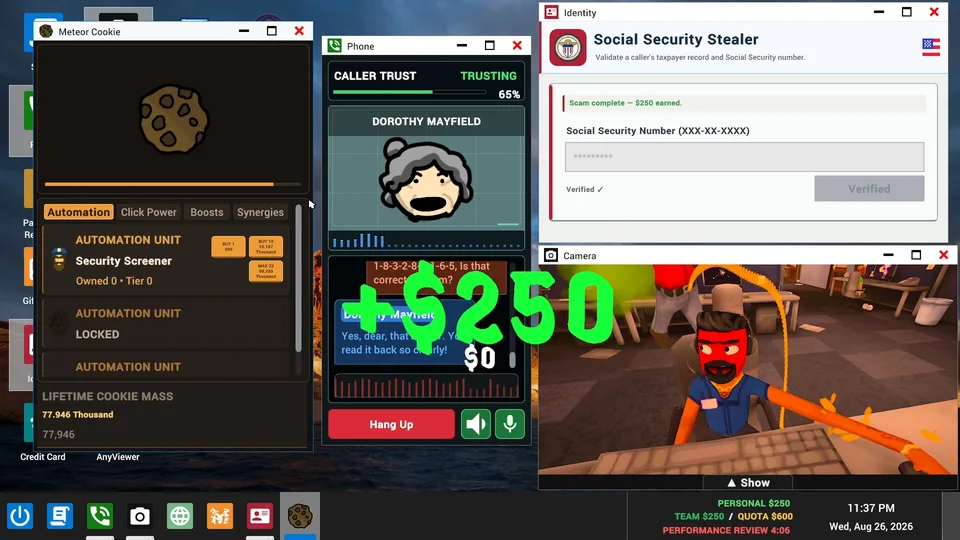
Diving into the mechanics of virtual phone interactions can completely change how you approach digital strategy. If you have ever wondered about scam with your friends how to make money, you are looking at a unique gaming experience where communication skills, quick thinking, and financial persuasion dictate your success. Mastering scam with your friends how to make money requires understanding how virtual customers react to high-pressure pitches, cryptocurrency investments, and tech support scripts. This guide breaks down the core strategies, customer archetypes, and essential safety guidelines to help you excel.
Whether you are trying to meet daily quotas or dodge tricky counter-arguments from skeptical targets, having a structured approach makes all the difference. According to community reports, balancing aggressive sales tactics with situational humor often yields the best results during intense gameplay sessions. Below, we examine the essential breakdowns of virtual financial tactics and player interactions.
Establish the Hook: Initiate contact with a simulated customer using a believable digital persona or corporate disguise.
Diagnose the Problem: Claim an urgent technical issue, such as a compromised Steam account or an active computer virus, to create immediate leverage.
Deliver the Pitch: Introduce fake investment opportunities or required service fees, adjusting your pricing based on customer pushback.
Secure the Transaction: Request credit card numbers, gift card codes, or verification data to finalize the interaction before ending the call.
Core Customer Archetypes and Negotiation Strategies
Every virtual caller presents a distinct challenge. Some customers will immediately catch on to your schemes, while others will willingly hand over sensitive information after minimal persuasion. Developing a flexible negotiation style is critical for maintaining high earnings.
The following table categorizes common virtual customer types, their typical reactions, and the recommended approach for successful interactions.
Customer Archetype
Initial Reaction
Recommended Approach
Risk Level
The Skeptical Mogul
Dismissive, demanding proof
Use viral product names or fabricated success stories
Maintain a courteous tone and offer bundled service discounts
Low
The Space Commander
Protocol-driven, distracted
Impersonate mission control or emergency agencies
Medium
Navigating these distinct personalities effectively determines whether you meet your operational quotas or get hung up on immediately. Player experience indicates that maintaining composure when a virtual client fights back is just as important as the initial pitch itself.
High-Pressure Tech Support
Claiming that a customer's operating system or gaming library is compromised creates instant urgency. Use authorized backend software narratives to build temporary credibility before requesting payment.
Cryptocurrency and Miracle Coins
Pitching volatile digital assets with absurd names can catch high-rollers off guard. While skepticism is common, framing the asset as a viral trend often breaks down initial resistance.
Financial Tactics and Avoiding Real-World Fraud
While navigating virtual scenarios is entertaining, understanding real-world financial security is vital. Consumer protection agencies, such as the Federal Trade Commission (FTC), frequently issue warnings regarding online fraud. According to recent FTC consumer alerts, scammers often create fake profiles on social media to build trust before requesting funds through gift cards, wire transfers, or cryptocurrency. You can review official consumer guidance directly on the FTC Consumer Alerts Page.
To ensure you stay protected in both virtual environments and everyday life, consider the comparative breakdown of secure practices versus high-risk indicators outlined below.
Practice Category
Safe Approach
High-Risk Indicator
Online Friendships
Verify identities through mutual acquaintances or video calls
Immediate requests for money or gift card codes after connecting online
Tax and Government Calls
Independent verification through official contact channels
Threats of immediate arrest or demands for wire transfers over the phone
Software Support
Utilizing recognized, verified IT platforms
Unsolicited pop-ups demanding upfront payment for unknown AI tools
Tip
Always perform a reverse image search or discuss unfamiliar online relationships with trusted friends and family members before sharing personal details.
Mastering In-Game Quotas and Efficiency
Achieving top-tier status in your virtual office requires continuous adaptation. When managing multiple incoming calls, time management dictates your overall earnings. If a conversation stalls or a customer refuses to cooperate, knowing when to disconnect and move to the next target maximizes efficiency.
Review your daily quota targets before picking up the phone.
Adapt your script dynamically based on customer pushback and emotional tone.
Keep alternative payment methods ready, such as discounted service rates or digital gift cards.
Disconnect immediately from unproductive calls to save valuable time.
Player feedback highlights that the most successful operators treat every call as a unique puzzle. Balancing humor, aggressive sales pitches, and quick adjustments keeps your virtual business thriving. For more details on this title, you can visit the official Scam With Your Friends Steam Page.
Warning
Never share your real-world personal information, sensitive financial data, or security credentials in untrusted environments.
Frequently Asked Questions
What is the main goal of Scam With Your Friends?
The primary objective is to manage virtual phone calls, engage with various customer archetypes, and meet daily financial quotas using persuasive dialogue and simulated tech support tactics.
How can I improve my success rate when pitching virtual customers?
Adapting your strategy to the customer's personality is crucial. Player experience suggests offering tiered discounts or shifting between tech support and investment pitches helps overcome customer skepticism.
Are the financial tactics in the game applicable to real life?
No. The game portrays satirical scenarios. In reality, requests for gift card payments, cryptocurrency transfers, or urgent wire payments from unknown online contacts are major warning signs of fraud.
Where can I find official updates or play the game?
You can check out the developer details and community hubs directly by visiting the official Steam platform page for the game.