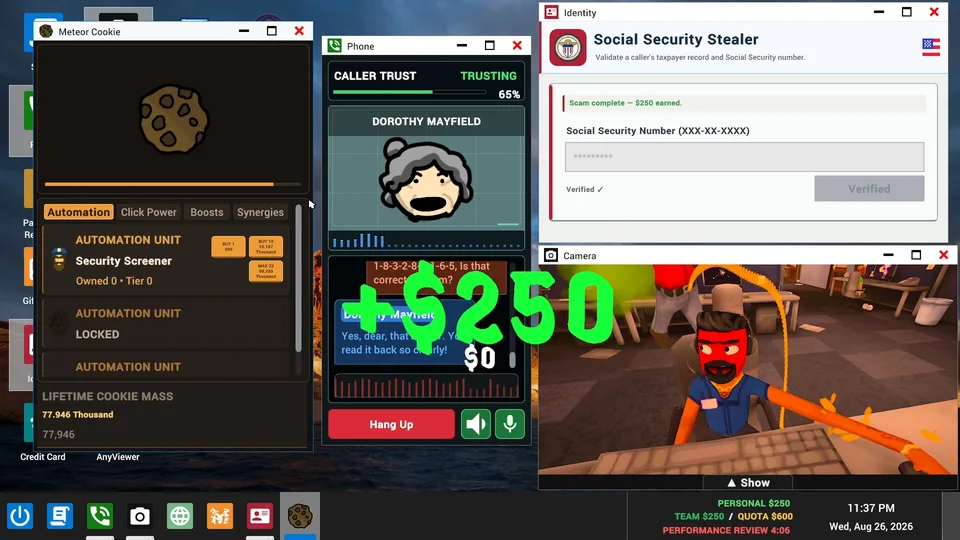
Scam With Your Friends Guide: Spotting Fraud Tactics
Master how to detect scam with your friends indian grandchild scam tactics and protect yourself from digital fraud with expert safety tips.
Published: Scam With Your Friends Wiki Editorial Team
Table of Contents
Understanding Modern Social Engineering Threats
Navigating the complexities of modern digital threats requires a sharp eye, especially when dealing with deceptive schemes like the scam with your friends indian grandchild scam. As cybercriminals refine their tactics, understanding the foundational mechanics of social engineering becomes essential for everyday digital safety. Whether you are analyzing online interactions or looking into digital applications like Scam With Your Friends by JakeHub, available on Steam, maintaining strict vigilance is your primary defense against sophisticated manipulation.
The digital landscape is constantly shifting, making the scam with your friends indian grandchild scam a prime example of how bad actors exploit personal relationships. According to community reports and consumer protection agencies, fraudsters frequently rely on urgency and emotional manipulation to bypass critical thinking. By recognizing these red flags early, users can effectively safeguard their personal information and financial assets from malicious entities.
Tip
Verification Best Practices
Always establish a family safe word and independently verify unexpected distress calls through pre-established, trusted phone numbers.
Analyzing Fraudulent Communication Tactics
Social engineering relies heavily on impersonation and psychological pressure. Fraudsters often scour social media platforms or purchase leaked databases to gather personal details about potential victims. When dissecting patterns similar to the scam with your friends indian grandchild scam, researchers note a heavy reliance on artificial intelligence tools capable of cloning human voices to deceive unsuspecting relatives.
The table below outlines common communication tactics used by bad actors alongside recommended defensive reactions:
Attack Vector
Indicator / Red Flag
Recommended Response
Voice Cloning
Unfamiliar tone or urgent crisis involving a relative
Hang up immediately and call the known direct number
Spoofed Caller ID
Incoming number mimics a trusted family member
Verify identity using an independent communication channel
Payment Demands
Pressure to use gift cards, wire transfers, or apps
Refuse transaction; report the incident immediately
Warning
Immediate Red Flags
Be extremely cautious if a caller begs you to keep a secret from other family members or demands immediate mobile payments.
Prevention Strategies and Community Insights
Protecting yourself and your older relatives from sophisticated fraud demands proactive measures and continuous awareness. According to player experience and consumer protection databases, establishing rigid communication protocols significantly reduces vulnerability. When evaluating digital security risks reminiscent of the scam with your friends indian grandchild scam, awareness campaigns remain one of the most powerful deterrents available.
Organizations such as the Federal Communications Commission (FCC) and the Federal Trade Commission (FTC) provide extensive resources on combatting illegal robocalls and spoofed caller IDs. Integrating these institutional guidelines with everyday caution ensures a resilient barrier against modern cyber threats.
Recognize Pressure: Identify any immediate demands for financial assistance or secrecy as potential fraud.
Disconnect: End the conversation immediately without confirming personal details.
Verify: Contact the relative or institution in question using verified, pre-saved phone numbers.
Report: File a formal complaint with relevant consumer protection authorities like the FTC or FCC.
Implementing Digital Safety Measures
Beyond interpersonal verification, maintaining robust digital hygiene is crucial. Cybercriminals continually adapt their toolkits, transforming concepts found in media, games, and everyday life into complex web traps. Understanding how developers present interactive entertainment—such as Scam With Your Friends on Steam—helps differentiate between safe digital engagement and actual malicious schemes.
The following checklist provides actionable steps to enhance your overall digital security posture:
Audit your social media privacy settings to limit public exposure of family relationships.
Utilize reliable call-blocking applications and network filtering services.
Never transfer funds or purchase gift cards based solely on an unverified phone request.
Educate elderly family members about emerging AI voice cloning scams.
Frequently Asked Questions
What is the scam with your friends indian grandchild scam?
It refers to sophisticated social engineering attacks where fraudsters impersonate grandchildren or close relatives in distress, often leveraging modern AI tools to deceive victims into sending immediate financial assistance.
How can I verify if an emergency call from a relative is genuine?
Always hang up immediately and dial your relative using a trusted, pre-saved phone number from your personal contacts list. Never rely solely on incoming caller ID displays.
What should I do if I fall victim to a digital fraud scheme?
Disconnect all communication with the scammer, preserve records of any transactions or messages, and report the incident immediately to local law enforcement and consumer protection agencies like the FTC.